Definition of Deficiency Diseases
“Deficiency diseases are conditions brought on by a protracted diet deficient in certain essential nutrients, particularly vitamins and minerals.”
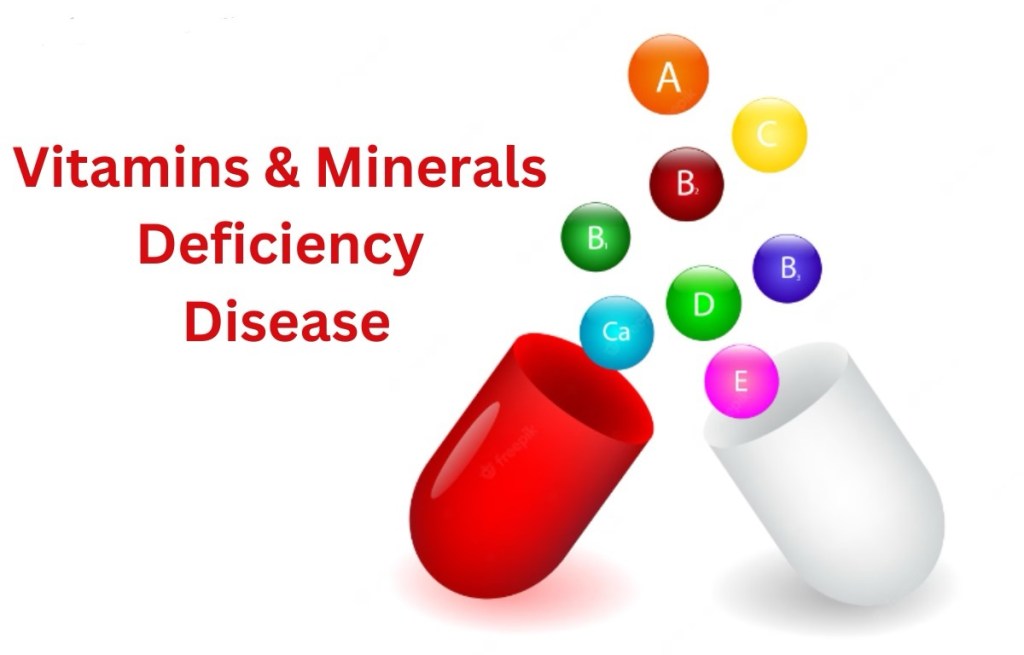
Vitamin Deficiency Diseases
Vitamin is a micronutrient that is not prepared by the body in sufficient amounts. This is the reason why it is necessary to take in from outside sources for the normal functioning of the body. Inadequate intake of vitamins results in vitamin deficiency diseases.
1-Vitamin A
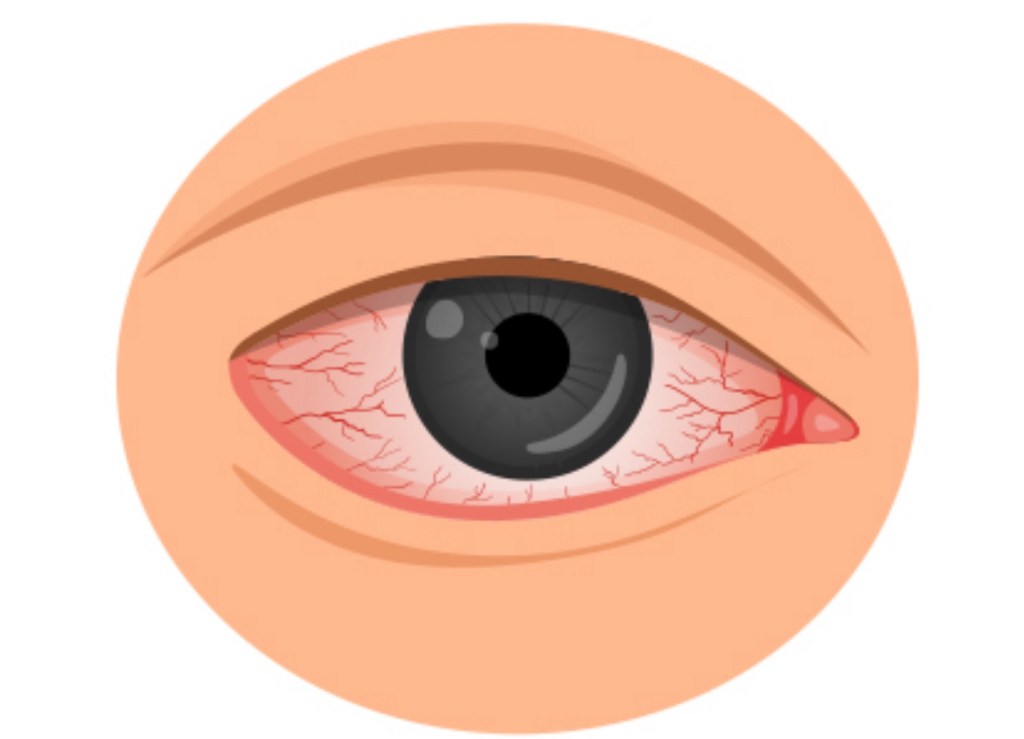
The majority of kids under five have xerophthalmia, a dangerous condition that puts them at risk of going blind. Pregnant women who are deficient in vitamin A may experience difficulties with pregnancy and childbirth.
2-Vitamin B
Vitamin B1: A B1 deficiency leads to beriberi, a condition that causes severe weight loss and weak muscles. Heart failure and paralysis can result from acute deficiency.
Vitamin B6: Vitamin B6 deficiency ailments, like anemia, and some skin conditions, like mouth cracks, are brought on by a lack of the vitamin. Additionally, it may result in nervous breakdowns and melancholy.
Vitamin B12: Pernicious anemia is brought on by a vitamin B12 deficiency. Extreme exhaustion, sadness, dementia, and paralysis of the muscles and nerves are other conditions linked to a B12 shortage.
3-Vitamin C
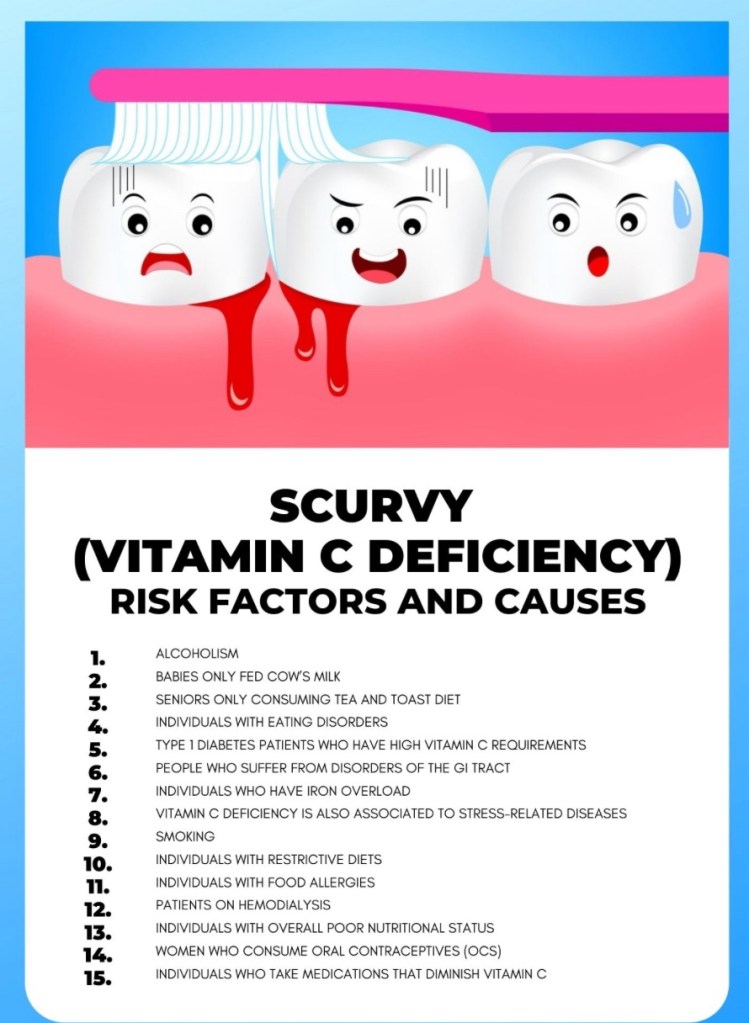
Vitamin C deficiency can lead to scurvy, a condition marked by skin patches, swelling in the joints, and bleeding gums. Additionally, it has an impact on the immune system and, in extreme cases, can be lethal.
4-Vitamin D
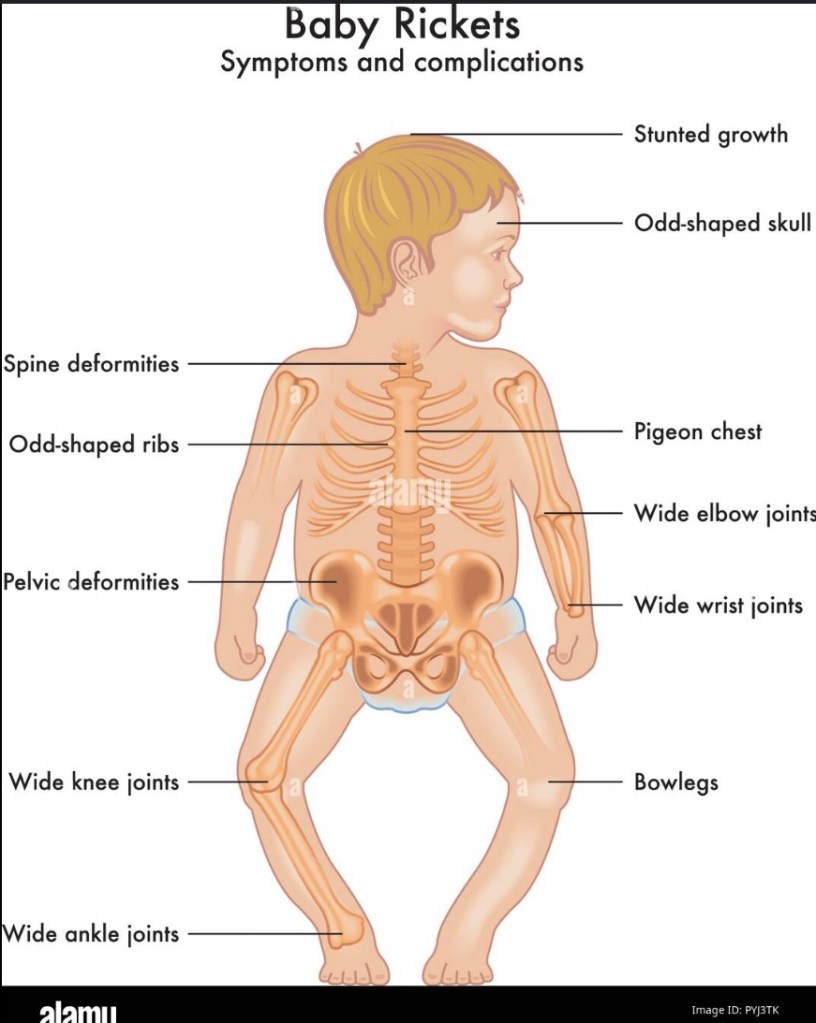
Vitamin D deficiency causes rickets, which leads to the weakening of bones, especially near the joints. It can also lead to the decay of teeth.
5-Vitamin K
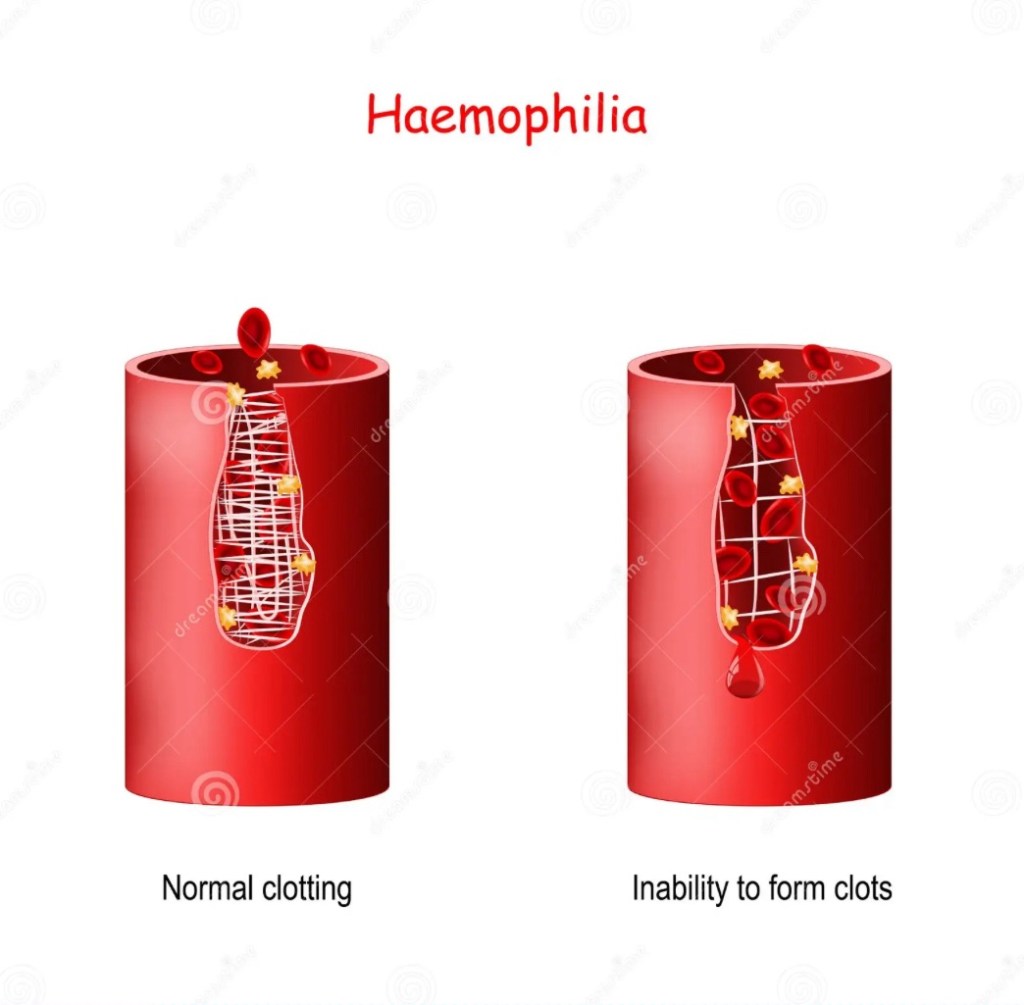
The ability of vitamin K to coagulate blood is crucial. Babies with deficiencies in this area frequently bleed excessively because they are unable to form blood clots.
Mineral Deficiency Diseases
Inorganic nutrients known as minerals comprise micronutrients like calcium, potassium, magnesium, and sodium as well as trace elements like copper, zinc, iodine, and iron.
The list of a few minerals and the related deficient illnesses is provided below.
1-Iodine
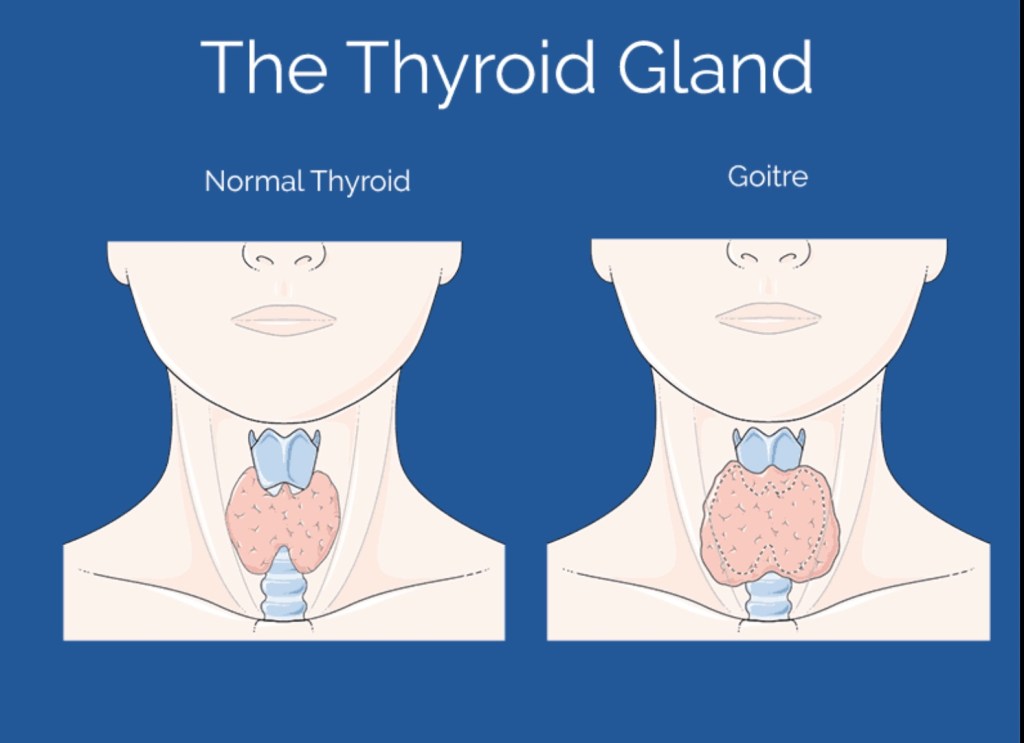
Iodine is the most important element required for the brain development of the developing foetus. It is responsible for a number of other functions such as the production of hormones. Salt is an important source of iodine in many countries. The deficiency of iodine leads to goitre.
2-Iron
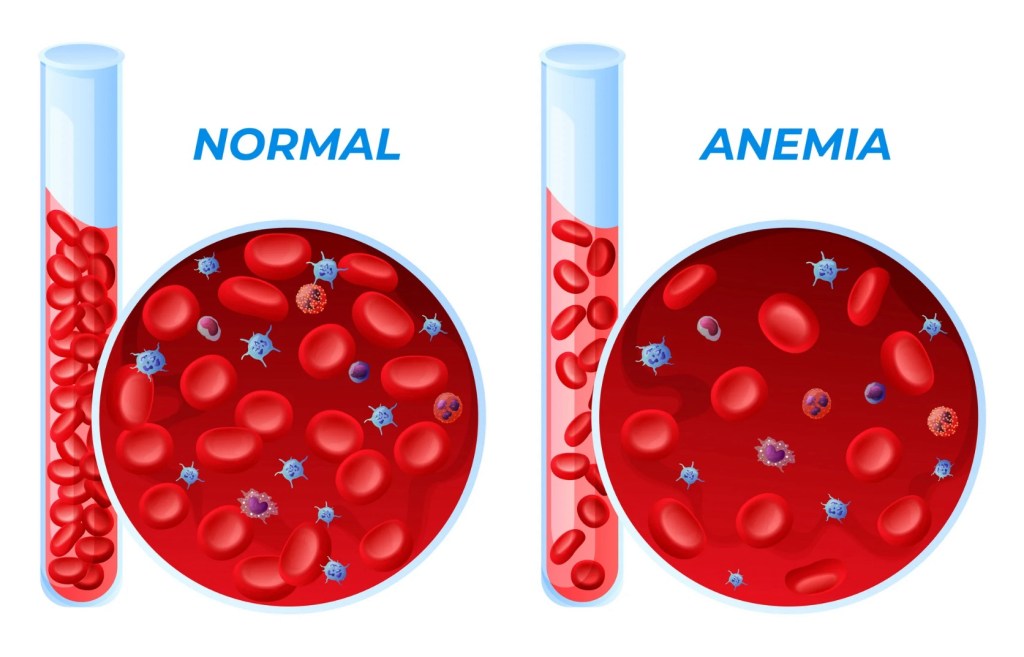
Haemoglobin, which is iron, is responsible for transporting oxygen from the lungs to various bodily tissues. Anaemia, a disorder in which the blood is unable to supply the necessary oxygen to the tissues and also causes mortality, is brought on by an iron deficit. Iron deficiency causes mental damage in 40–60% of babies in impoverished nations. Poultry, spinach, red meat, and other foods high in iron
References:
 Fatimah Almousa
Your publication was exemplary, and the insights you provided were immensely valuable. I found the subject matter deeply engaging and intellectually stimulating. Additionally, I have supplementary information that I believe would further enrich the discussion, as well as several pertinent sources related
to specific vitamins that I am keen to share with you.
– Good food sources of vitamin A include:
Orange and yellow fruits and vegetables, like carrots, mangoes, sweet potatoes, pumpkins, cantaloupes, red capsicum, and apricots.
Dark leafy green vegetables, like spinach, peas, kale, and broccoli
Organ meats, like liver
Eggs
Dairy, like some fortified milk products
Fish
-Foods providing B vitamins include:
B2 – eggs, lean meats, milk, and green vegetables
B3 – lean meats, fish, legumes, whole grains, dairy, nuts, seeds, and leafy greens
B6 – beans, bananas, spinach, and fortified cereals
B7 – egg yolks, organ meats, meat, fish, dairy, nuts, seeds, spinach, broccoli, cauliflower, sweet potatoes, yeast, and bananas.
B9 – fortified cereal, chickpeas, asparagus, and spinach
B12 – fish, meat, milk, eggs, and cereal
-Important food sources of vitamin C include:
Fruits like oranges, lemons, limes, tomatoes, mangoes, kiwis, and strawberries.
Vegetables like bell peppers, broccoli, brussels sprouts, lettuce, and potatoes.
– Foods to help with vitamin D levels include:
Margarine and some milks
Eggs
Margarine and some milks
Fortified foods like orange juice and cereal.
LikeLiked by 1 person
Your topic is interesting and full of information and benefits. I would like to add to your topic some sources of iodine and iron.
iodine aids in the production of thyroid hormones, which regulate metabolism. Sources of food include dairy, seafood, eggs, certain vegetables, iodized salt. There are certain foods that are rich in iron, such as beef and organ meats, seafood, chicken and eggs, beans and lentils, brown rice and oats, almonds and flax seeds, spinach and kale.
I am going to include additional techniques for identifying vitamin and mineral shortages.
1- Tests on blood samples
Blood tests can indicate if there is a lack of vitamins and are helpful in determining vitamin levels in your body. The most common test for screening is a full blood count. Low levels of red blood cells or a pattern of enlarged red blood cells (megaloblastic anemia) are a typical indication of not having enough vitamin B12.
2-Testing with intervention
If your healthcare provider suspects you may have a digestive issue leading to vitamin absorption problems, they may recommend a diagnostic test to inspect the internal condition of your stomach or intestines.
LikeLiked by 1 person